
Discover the Most Popular Casino Games and How to Play Them
Step into a world of thrilling chance and dazzling lights, where every spin of the wheel or flip of a card could lead to a life-changing win. From the strategic allure of blackjack to the pure luck of the slots, these games offer an electrifying mix of tension and reward. Discover the pulse-pounding excitement that has captivated players for generations, all from the comfort of your screen.
Understanding the Core Mechanics of Chance-Based Entertainment
Chance-based entertainment, from dice games to slot machines, operates on the immutable principle of randomness, governed by precise mathematical probabilities. The core mechanic is the controlled volatility of random outcomes, which ensures that while each individual result is unpredictable, the overall system yields a predetermined advantage for the house. This calculated uncertainty creates a powerful psychological loop of anticipation and reward.
The true mastery of game design lies not in eliminating chance, but in calibrating its frequency and magnitude to maintain maximum engagement.
Players must understand that no strategy can alter these fixed odds; the entertainment derives from the emotion of risk itself. By accepting the mathematical certainty of the house edge, participants can experience the thrill of unpredictability without misplacing their trust in skill. This transparency is the bedrock of responsible and sustainable responsible gaming ecosystems.
How Random Number Generators Shape Every Spin and Deal
Chance-based entertainment, such as lottery games and slot machines, relies on randomized outcomes where skill does not influence the result. The core mechanics involve a random number generator (RNG) ensuring each event is independent and unpredictable. Players engage by wagering on a specific probability, with the house edge mathematically built into the payout structure over time. Understanding probability and house edge is essential for grasping the long-term dynamic. Key operational elements include:
- RNG algorithms for true randomness.
- Predefined odds for each outcome.
- Return-to-player (RTP) percentage calculation.

These systems are designed to maintain fairness within their probabilistic limits, yet they guarantee the operator’s profitability over many trials.
The House Advantage: What It Really Means for Your Bankroll
Chance-based entertainment, from casino games to digital loot boxes, operates on the core mechanic of random number generators (RNGs) ensuring unpredictable outcomes. This randomness, balanced by dynamic payout structures and house edges, creates a cycle of anticipation and reward. The thrill lies not in guaranteed victory but in statistical possibility, where each spin or draw offers a unique, fleeting moment of potential. Key components include probability calculations, volatility levels, and return-to-player percentages—all designed to sustain engagement. Understanding these underlying statistical probabilities reveals how systems maintain balance while fueling player excitement. Whether it’s a slot machine or a card game, the fusion of luck with calculated risk drives the hypnotic pull of these experiences.
Return to Player Percentages vs. Volatility: Key Differences
Chance-based entertainment relies on random outcomes determined by algorithms or physical probability, such as dice rolls or RNG software. The house edge ensures operators profit over time by paying out less than true odds, while players accept short-term variance. Key mechanics include volatility, which controls win frequency and size, and return-to-player (RTP) percentages that indicate long-term payout ratios.
Understanding these elements helps participants manage expectations and bankrolls, as outcomes remain unpredictable by design. Systems like slot reels or lottery draws use weighted probabilities to balance engagement with sustainability.
Slot Machines: From Classic Reels to Modern Video Adventures
The evolution of slot machines from mechanical relics to digital powerhouses represents a pivotal shift in gaming technology. Early „one-armed bandits” relied on physical reels and springs, limiting gameplay to a few symbols and a single payline. Modern video slots, however, offer immersive adventures with complex themes, advanced math models, and hundreds of paylines. Their random number generators ensure outcomes remain unpredictable despite the elaborate graphics. This transition has fundamentally changed player engagement, transforming simple pulls of a lever into interactive narratives. The industry now prioritizes dynamic bonus features, such as cascading reels and progressive multipliers, to sustain excitement. While the core risk-reward premise remains unchanged, the visual and auditory production values have created a distinct entertainment category distinct from classic reel machines.
Progressive Jackpots vs. Fixed Prizes: Which Offers Better Odds
Slot machines have evolved from mechanical Liberty Bell devices with three spinning reels to sophisticated digital platforms featuring immersive video adventures. The shift to random number generators and advanced graphics expanded gameplay beyond simple matching symbols. Modern online slot features now include cascading reels, expanding wilds, and interactive bonus rounds that draw players into themed narratives. Key innovations include:
- Megaways mechanics offering thousands of paylines
- Branded slots tied to movies and TV shows
- Progressive jackpots linking multiple machines for massive prizes
This transformation has broadened appeal while maintaining the core thrill of unpredictable outcomes.
Bonus Rounds, Free Spins, and Wild Symbols: Decoding Features
Slot machines have come a long way from their clunky, one-armed bandit origins. What started with a few spinning reels and a single payline has exploded into dazzling video adventures packed with wild symbols, bonus rounds, and immersive storylines. Online slot game mechanics now include cascading reels, expanding wilds, and progressive jackpots that can change your life in a single spin. Modern titles often feature themes from ancient Egypt to outer space, complete with cinematic graphics and interactive mini-games. Whether you prefer the nostalgic clatter of classic fruit machines or the thrill of a 3D video slot, there’s a digital one-armed bandit waiting to spin your luck. The evolution is relentless, making each pull of the virtual lever more exciting than the last.
The Rise of Branded Slots and Themed Experiences
Slot machines have transformed dramatically from simple mechanical devices into immersive digital experiences. Classic three-reel slots, with their iconic cherries and bells, offered straightforward gameplay based purely on luck. Today’s modern video slots feature intricate narratives, cinematic graphics, and bonus rounds that rival video games. Advanced random number generators ensure fair outcomes, while features like cascading reels and multipliers add complexity. For seasoned players, understanding volatility—the risk-reward ratio—remains crucial. Low-volatility slots provide frequent small wins, whereas high-volatility games offer larger but rarer payouts. Always check the RTP (Return to Player) percentage, as a higher figure reduces the house edge over time.
Table Games Where Skill Meets Chance
In the world of gaming, table games represent the perfect intersection of strategic depth and unpredictable fortune. Unlike purely random slots, games like blackjack and poker reward players who master proven strategies to reduce the house edge. A skilled blackjack player knows when to hit, stand, or double down, cutting the casino’s advantage to a razor-thin margin. Similarly, poker demands calculating pot odds, reading opponents, and managing risk—skills that can overcome the luck of the draw entirely. Craps offers intricate betting systems where dice outcomes remain random, but savvy wagering patterns can optimize returns. Even baccarat, often seen as a game of pure luck, benefits from understanding commission rates and tie-bet odds. These games create a dynamic battlefield where disciplined technique transforms blind chance into a calculated endeavor. For players who seek control without eliminating excitement, this blend of skill and luck delivers the most compelling, rewarding experience at the felt.
Blackjack Strategies: Basic Charts and Card Counting Myths
Table games where skill meets chance create an unparalleled dynamic, blending calculated decisions with unpredictable outcomes. In blackjack, players master basic strategy to reduce the house edge, yet each drawn card remains a gamble. Poker elevates this fusion, rewarding psychological acumen and mathematical probability while the river card can shatter the best-laid plans. Craps offers a fast-paced arena where betting systems meet pure dice luck, and even baccarat, often seen as fate-driven, allows strategic side bets. True mastery lies not in eliminating luck, but in optimizing your position against it. These games demand constant adaptation, proving that informed play, not mere chance, defines the smart competitor.
Roulette Betting Systems That Work (and Those That Fail)
Table games represent a unique arena where skill meets chance, demanding both strategic decision-making and a comfortable acceptance of randomness. Blackjack exemplifies this balance, as players use card counting and basic strategy to tilt the house edge, yet the shuffle remains unpredictable. Poker elevates skill further, with bluffing, position play, and psychological reads often outweighing the luck of the draw. Conversely, games like baccarat or roulette heavily favor chance, offering simple bets and minimal strategic input.
- Blackjack: Player decisions reduce the house edge, but the deck’s order is fate.
- Poker: Victory hinges on skill, yet a single bad beat can undo hours of effort.
- Craps: Some bets, like odds, have low house advantage; others are pure luck.
Q: Can skill truly overcome chance in these games?
A: Yes, but only over the long term. Short-term, luck dominates. Consistent skill at the right games, like blackjack or poker, yields a small statistical profit.
Baccarat: The Simple Rules Behind High-Stakes Appeal
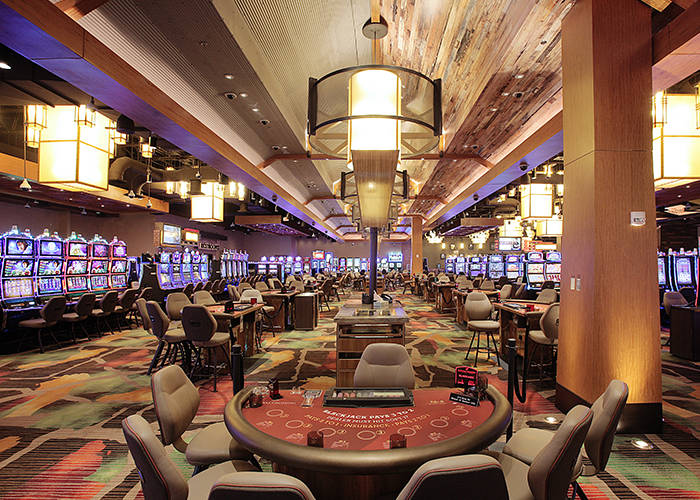
Table games like blackjack and poker are the perfect spot where skill-based table game strategy meets unpredictable luck. In blackjack, you can learn basic strategy to lower the house edge, but the cards still deal randomly. Poker adds layers of psychology and math, yet a bad beat can wipe out any plan. Craps feels chaotic, but knowing the odds helps you pick smarter bets. Baccarat is almost pure chance, though some players track patterns. Roulette is a clear luck game, but betting systems make it feel tactical. The buzz comes from balancing your knowledge against the spin of the wheel or the flip of a card.
Q&A: Is blackjack more skill or luck? It’s mostly skill if you count cards, but for casual players, luck drives short sessions.
Poker Variants and Competitive Play
From the calculated bluffing of Texas Hold’em to the fast-paced action of Omaha, the world of poker offers a dizzying array of variants, each demanding a unique blend of psychology and math. Competitive play is where legends are forged, transforming a simple card game into a ruthless mental war. Mastering poker variants like Seven-Card Stud or the popularity-fueled Omaha is essential, but true success hinges on reading opponents and managing your chip stack under pressure. The World Series of Poker serves as the ultimate proving ground, where millions are won and lost on decisive, high-stakes hands. Whether you prefer the strategic depth of Draw Poker or the showdown drama of mixed games, the competitive circuit remains an electrifying arena of constant evolution and nerve-wracking tension.
Texas Hold’em: Reading Opponents and Managing Bluffs
Mastering poker requires understanding key variants, as each offers distinct strategic demands. For competitive play, Texas Hold’em remains the most popular, but Omaha, Seven-Card Stud, and Razz each test different skills like hand-reading and pot odds. Strategic adaptability across poker variants is essential for tournament success. A winning player must quickly adjust their aggression levels and starting hand requirements. For example, in Pot-Limit Omaha, drawing hands hold more value, while in No-Limit Hold’em, premium pairs dominate. Study common opponent tendencies and exploit their specific weaknesses within each format to increase your win rate.
Video Poker: Combining Slot Simplicity with Strategic Decisions
From the smoky backrooms of dusty saloons to the glitzy felt of televised final tables, poker has evolved into a family of games defined by cunning psychology and mathematical grit. Texas Hold’em reigns as the undisputed king of competitive play, where the drama of the flop, turn, and river keeps millions on edge. Yet, the high-stakes world also embraces Omaha’s four-card complexity and the raw bluffing ballet of Five-Card Draw. Mastering variant rules is the secret weapon for any serious player. On the tournament circuit, victory hinges not just on hand strength but on reading tells, managing chip stacks, and seizing momentum. Each variant twists the same core tension—check, raise, or fold—into a fresh battlefield of nerve and calculation.
“In poker, the cards are just the props; the real game is fought in the space between two players’ eyes.”
To dominate competitive play, you must adapt your strategy for each variant’s unique rhythms. Consider the key contrasts:
- Texas Hold’em: Fast-paced, position-driven aggression; two hole cards, five community cards.
- Omaha: Four hole cards demand precise draws; pot-limit betting sharpens risk.
- Seven-Card Stud: No community cards; memory and upcard tells decide the duel.
Whether you’re chasing a bracelet or a home-game pot, the mastery of these variants is a journey through human nature itself.
Tournament Structures vs. Cash Games: Choosing Your Arena
Mastering poker variants is essential for modern competitive play, as each format demands a unique strategic approach. Texas Hold’em remains the staple for high-stakes tournaments, but Omaha, with its four hole cards, rewards players who can calculate nut draws and pot equity under pressure. For those seeking fast-paced action, Short Deck poker (minus 2-5) alters hand rankings, making flushes and full houses more common and shifting preflop ranges dramatically. In mixed-game rotations like H.O.R.S.E., adaptability is the ultimate weapon—you must pivot from limit Hold’em’s positional bluffs to Stud’s memory-based play against exposed cards. Short-stack and deep-stack strategies further differentiate cash games from multi-table tournaments (MTTs), where ICM (Independent Chip Model) calculations can override raw aggression. Understanding game theory optimal (GTO) vs. exploitative play is non-negotiable for sustained success, particularly in high-stakes online pools where solvers are standard tools.
Q&A: Which variant is best for beginners targeting live tournaments?
Start with No-Limit Hold’em because its popularity guarantees ample learning resources and softer fields. Focus on preflop ranges and post-flop pot control before exploring Omaha or Stud.
Specialty Options Beyond the Mainstream
Beyond core asset classes, specialty options provide exposure to niche risks and returns. These instruments, including options on volatility indices, exchange-traded funds (ETFs) focusing on specific sectors, and weather or event-driven derivatives, allow for targeted hedging or speculation. For instance, VIX options track market volatility expectations, while binary options offer fixed payouts based on a condition’s occurrence. The underlying assets for such options often include commodities, foreign exchange pairs, or even cryptocurrencies, which require specific knowledge of their market mechanics. Due to lower liquidity and higher complexity, pricing models may differ from standard equity options. Strategic portfolio diversification through these instruments demands rigorous risk assessment, as leverage and path-dependency can amplify both gains and losses. Their primary utility lies in capturing alpha from non-correlated market movements or managing specific, non-directional exposures.
Keno and Bingo: Numbers-Based Thrills with Fast Payouts
In the digital publishing niche, some creators quietly turned away from mass-market ad-driven sites to dig into specialty options beyond the mainstream. They built tiny subscription newsletters on ancient Greek pottery, curated audio essays for left-handed woodworkers, and sold hyper-specific PDF guides on beekeeping in urban balconies. These side paths felt fragile at first, like a whisper against the roar of algorithm giants. Yet, the readers came—not in droves, but as loyal patrons willing to pay for depth over breadth. One writer even traded six-figure traffic for a thousand paying subscribers who cared deeply about obscure 18th-century maritime knots. In the margins, the most remarkable stories often take root, thriving far from the crowded spotlight.

Craps: Mastering the Lingo and Betting Layout
Beyond the standard French, Spanish, or Mandarin, a world of specialty languages for niche markets offers explosive career and travel advantages. Consider Indonesian, which unlocks Southeast Asia’s largest economy, or Turkish, a gateway to Central Asian trade corridors. For deep-tech innovation, learning Estonian connects you to a digital-society powerhouse. Even regional languages like Catalan or Basque provide unique cultural access within Europe. These options are not just academic; they are practical assets. To identify your perfect match:
- Economic Hubs: Focus on languages tied to emerging markets (e.g., Vietnamese, Polish).
- Cultural Depth: Choose languages with rich literary traditions (e.g., Persian, Hebrew).
- Strategic Value: Target languages critical to geopolitics (e.g., Korean, Swahili).
This path demands fewer competitors and delivers disproportionate returns in global fluency.
Virtual Sports and Rapid-Fire Electronic Variations
When diving into specialty options beyond the mainstream, you unlock flavors and experiences that challenge the everyday palate. Think of small-batch fermentation in craft sodas, where wild yeasts and botanical infusions create complex fizz—far from mass-market cola. For coffee lovers, single-origin beans from microlots in Ethiopia or Yemen offer tasting notes of jasmine and blueberry, while aged sake and smoked teas push boundaries even further. Explore niche culinary ingredients like tangerine vinegar or ghost pepper salt to elevate simple dishes. You might also try:
- Mirin substitutes like koji-based sweeteners
- Heirloom grains (e.g., emmer, einkorn) for earthy textures
- Fermented hot sauces from specific regional peppers (e.g., Carolina Reaper, Aji Amarillo)
These choices aren’t just about novelty—they connect you to producers, microclimates, and forgotten techniques. Whether infusing honey with saffron or tracking down artisanal misos, the payoff is a pantry that tells stories, not labels.
Mobile and Live Dealer Experiences
Mobile and live dealer experiences have totally changed how we play, turning your couch into a real casino floor. With mobile gaming, you get that whole game library right in your pocket, perfect for a quick spin during your commute. But the real magic is the live dealer action, where a real human spins the wheel or deals cards via video stream. It bridges the gap between digital and physical, letting you chat with the dealer in real-time. For the best experience, always check your mobile compatibility to ensure smooth streaming. Just remember, this is for fun, not income—play responsibly and set your limits. That mix of convenience and human touch keeps things fresh and social without leaving home.
Optimizing Play on Smartphones and Tablets
Mobile gaming has revolutionized https://jalwaverse.co.in casino access, letting players spin slots or bet on blackjack from a commute or couch. On-the-go casino thrills now feature touch-optimized interfaces and instant-loading games. Live dealer experiences bridge the gap, streaming real croupiers in high definition to your device. This fusion creates unmatched immersion: players interact with dealers via chat while watching cards dealt or roulette wheels spin in real time. Key benefits include:
- Seamless cross-platform play on phone, tablet, or desktop
- Real-time social interaction with live hosts
- High-definition streams with multiple camera angles
Together, mobile portability and live authenticity deliver a dynamic, authentic casino atmosphere anywhere.
Real-Time Streaming: Interacting with Human Dealers
Mobile gaming has revolutionized how players access their favorite tables, offering seamless play on smartphones and tablets without sacrificing quality. Optimized mobile casino platforms deliver crisp graphics and intuitive touch controls, allowing for spontaneous betting anywhere. Meanwhile, live dealer experiences bridge the gap between digital convenience and authentic casino atmosphere, streaming real-time action with professional croupiers. This fusion of technology and tradition creates an immersive, social environment where players interact via chat while witnessing every card shuffle and wheel spin. The result is a dynamic, studio-quality experience that rivals physical venues, combining the best of both worlds for modern players.
Differences Between Automated and Live Table Environments
Mobile and live dealer experiences have revolutionized online gaming by merging convenience with authentic casino atmospheres. Expert players prioritize mobile optimization to ensure seamless gameplay across devices, especially for live dealer streams. Always test your connection speed before joining a high-stakes table to avoid frustrating delays. Key considerations include:
- Mobile-optimized streaming that adapts to screen sizes without loss of video quality.
- Interactive chat features enabling real-time communication with dealers, enhancing trust.
- Game variety—blackjack, roulette, and baccarat often feature real croupiers and betting limits suited for all budgets.
Choosing a platform with low latency and HD resolution is critical. Responsive live dealer interfaces replicate a land-based venue’s thrill while allowing you to switch between tables instantly. For mobile users, battery drain and data usage warrant attention; use Wi-Fi for extended sessions. Ultimately, the best live dealer experiences blend technical reliability with personalized service, letting you enjoy the social rush of a real casino from anywhere.
Bankroll Management and Responsible Engagement
Effective bankroll management is the bedrock of sustainable play, ensuring you never wager more than you can afford to lose. Set a strict budget for each session and stick to it, avoiding the temptation to chase losses. This discipline, combined with setting loss limits and time boundaries, transforms engagement from a liability into a controlled activity. Responsible participation demands recognizing when emotions drive decisions; take breaks and step back. By treating funds as entertainment costs, not an investment, you preserve both your finances and the activity’s enjoyment. Ultimately, this approach is the hallmark of a seasoned player who understands that longevity outweighs short-term wins. Never compromise your well-being for a bet.
Setting Loss Limits and Win Goals Before You Start
After watching a friend chase losses on a long, frustrating night, I learned the hard way that the real game isn’t about luck—it’s about disciplined bankroll management. A solid plan protects you from emotional tilt and ensures the fun lasts. For responsible engagement, I always set strict limits before starting: a fixed budget I can afford to lose, a time cap to avoid tunnel vision, and a clear rule to never, ever chase a loss. This simple structure turns gambling from a dangerous spiral into a controlled form of entertainment that ends on my terms, not the house’s.
Using Bonuses and Free Play Without Overextending
Effective bankroll management is the cornerstone of sustainable success, ensuring you never wager more than you can afford to lose. By setting strict loss limits and wagering only a small percentage of your total funds per session, you shield yourself from financial harm. Disciplined bankroll management prevents emotional decision-making that leads to chasing losses. Equally vital is responsible engagement: treat gaming as paid entertainment, never a source of income. Key practices include:
- Predetermining a strict monthly budget and never borrowing to play.
- Taking regular breaks to maintain a clear, rational mindset.
- Using self-exclusion tools if spending becomes excessive.
These methods empower you to enjoy the activity without financial regret. Adopt this approach rigorously, and you transform gambling from a risky gamble into a controlled, enjoyable hobby. Your financial health depends on it.
Recognizing Signs of Problematic Behavior Early
Bankroll management is the cornerstone of long-term success in any financial betting or trading endeavor. Allocate only a fixed percentage of your total capital per wager—typically 1-5%—to withstand inevitable losing streaks without depleting your funds. Responsible engagement requires setting strict loss limits, time boundaries, and never chasing losses with increased stakes. Protect your capital above all else. Include only what you can afford to lose, and treat each session as a controlled experiment, not an emotional chase. Consistency in stake sizing and disciplined exit strategies separate professionals from reckless players. Never borrow or use essential funds. Monitor your psychological state; pause immediately if frustration or overconfidence arises. This structured approach ensures sustainability and reduces financial harm while maintaining the activity’s intended enjoyment.
Legal Frameworks and Platform Selection
Selecting an appropriate digital platform necessitates a thorough evaluation of the applicable legal frameworks, which govern data privacy, intellectual property, and user rights. Compliance with regulations such as the GDPR or CCPA is non-negotiable for global operations. Legal compliance directly influences platform selection, as vendors must demonstrate robust mechanisms for data handling and content moderation. Furthermore, the platform’s terms of service must align with the operator’s jurisdictional obligations. Prioritizing platforms with transparent audit trails and dispute resolution protocols mitigates legal risks. Ultimately, a strategic balance between functional requirements and regulatory adherence is essential, ensuring the chosen infrastructure supports long-term operational integrity while avoiding costly sanctions or litigation.
Licensing Authorities and Fair Gaming Certifications
Selecting the right platform requires a deep dive into data privacy and compliance regulations like GDPR or CCPA. Your legal framework dictates everything—from acceptable data storage locations to mandatory consent mechanisms. A misstep here can lead to crippling fines, so you must audit platforms for certifications like SOC 2 or ISO 27001. Prioritize those that offer granular permission controls and transparent audit logs. Beyond compliance, platform tools should align with your operational scale and integration needs. A rigid, non-compliant choice can stall growth, while a flexible, law-abiding platform becomes a strategic asset for scaling securely and confidently.
Comparing Downloadable Clients vs. Instant Browser Access
Choosing the right platform requires a robust understanding of the legal frameworks governing digital content, data privacy, and intellectual property. Without this foundation, your venture risks compliance penalties and operational shutdowns. Ensure regulatory compliance by first mapping jurisdictional laws—such as GDPR, CCPA, or sector-specific regulations—to your platform’s data handling and user agreements. The selection process then demands evaluating a platform’s adherence to these mandates, alongside its scalability and security protocols. Key considerations include:
- Data Sovereignty: Can the platform store and process data within required regions?
- Audit Trails: Does it provide logs for demonstrating legal compliance?
- License Management: Are content ownership and usage rights clearly defined in the terms?
A platform that builds regulatory compliance into its architecture, rather than treating it as an afterthought, becomes a strategic asset for long-term growth. This proactive alignment mitigates risk and builds user trust.
Currency Options and Cryptocurrency Integrations
Selecting a platform for content hosting or business operations requires strict adherence to applicable regulatory compliance in digital environments. Legal frameworks such as GDPR, CCPA, and HIPAA dictate data handling, user consent, and breach notification protocols, directly influencing whether a platform like AWS, Shopify, or WordPress meets jurisdictional requirements. Platform selection must also account for terms of service, intellectual property clauses, and liability limitations. A common evaluation checklist includes:
- Data residency – Where data is stored and processed.
- Jurisdictional coverage – Which laws apply to the service.
- Certification – SOC 2, ISO 27001, or PCI DSS.
- Contractual safeguards – DPAs and SLAs.
Non-compliance risks fines, reputational damage, and operational shutdowns. Therefore, legal due diligence should precede any platform commitment, ensuring both technical fit and regulatory alignment.