
The evolution of gambling through the ages a historical overview
Origins of Gambling in Ancient Civilizations
The practice of gambling dates back to ancient civilizations, with evidence found in various archaeological sites around the world. The earliest forms of gambling were simple games involving dice, which were made from materials like bones and stones. These games were often played during religious ceremonies and were believed to be a way to communicate with the gods. In the context of modern entertainment, you can try the Ice Fishing game from Evolution, which captures the thrill of chance and skill.
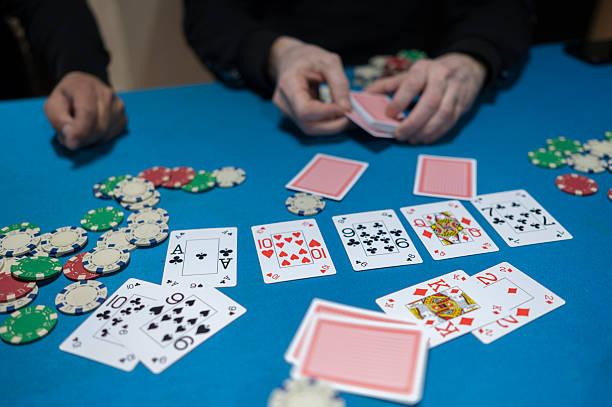
In ancient China, around 2300 BC, rudimentary forms of betting emerged. The Chinese developed games that incorporated chance, including a lottery system that laid the groundwork for future gambling practices. Similarly, the Romans adopted betting as a popular pastime, with gladiatorial games and chariot races being significant events where wagers were placed.
The Middle Ages: Rise of Gaming Houses
The Middle Ages saw a transformation in gambling, as it shifted from informal games to organized betting. Gaming houses began to spring up in Europe, providing a dedicated space for people to engage in various forms of gambling. This period also marked the introduction of card games, which became increasingly popular across the continent.
As gambling gained popularity, it also attracted scrutiny from authorities. Many rulers sought to regulate the industry, imposing restrictions and taxes on gaming houses. Despite these efforts, gambling remained a favored activity among nobility and commoners alike, reflecting its deep-rooted cultural significance.
The Age of Enlightenment and Legalization
The Age of Enlightenment brought about significant social changes, including the legalization of gambling in various forms. In the 17th century, the establishment of state-run lotteries became a common practice, providing governments with a new revenue stream. These lotteries were often used to fund public projects, such as roads and schools, while allowing citizens the thrill of potentially winning a large sum of money.
This period also saw the birth of modern casinos, particularly in Italy and France. The first official casino, the Casino di Venezia, opened its doors in the early 17th century. Here, patrons could enjoy a variety of games, from roulette to baccarat, marking a shift towards more structured gambling environments.
The Modern Era: Technology and Online Gambling
The 20th century ushered in unprecedented advancements in technology, revolutionizing the gambling landscape. The introduction of electronic gaming machines and the expansion of legalized casinos contributed to a boom in the industry. Las Vegas became synonymous with gambling, attracting millions of tourists eager to experience the thrill of the casino floor.
With the rise of the internet in the late 20th century, online gambling emerged as a new frontier. Websites began to offer virtual versions of traditional casino games, allowing players to gamble from the comfort of their homes. This digital evolution has significantly expanded the audience for gambling, making it more accessible than ever before.

Engaging with Gambling Today at Ice Fishing Live
Today, platforms like Ice Fishing Live provide an immersive online gaming experience, reflecting the evolution of gambling through the ages. With live casino games and exciting features, players can enjoy a thrilling environment reminiscent of traditional casinos. The interactive nature of live gaming, combined with the potential for significant wins, creates an engaging atmosphere that attracts both seasoned players and those just starting with gambling.
As we explore the rich history of gambling, it’s clear that it has evolved dramatically. Whether through ancient rituals, medieval gaming houses, or the latest online platforms, the essence of gambling continues to captivate audiences worldwide. Join Ice Fishing Live to experience this thrilling adventure and become part of the ongoing legacy of gambling.